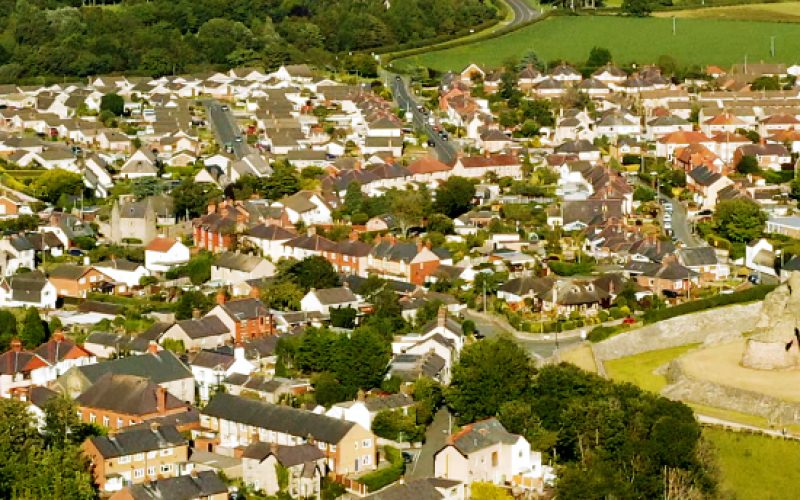
Rhuddlan is situated 3 miles inland from Rhyl at the original crossing place of the river Clwyd.
The Castle and Church overlook the river, there are also numerous historic sites around the town, a good place to visit. A thriving High Street with a good selection of shops, pubs, eating places, takeaways, accommodation and caravan parks – an ideal place to stay while you visit the rest of the Vale of Clwyd and beyond.
Rhuddlan is a good place in which to live, with easy access to all major towns, the A55 express way, bus routes and we have a thriving community.
Rhuddlan is central to the Welsh story; it was here in 1284 that Edward 1 laid down the law for the next 250 years. He also presented his baby son to the Welsh nobility as the very first “Prince of Wales”.
Rhuddlan’s name is derived from the Welsh words Rhudd and Glan, which translate to Red Bank.
The battle of Morfa Rhuddlan took place in 796. It was immortalised in a national Eisteddfod competition ode held in Rhuddlan in 1850, by Ieuan glan Geirionydd entitled “Cyflafan Morfa Rhuddlan”.
Following a well remembered year of 1066, the Rhuddlan Mint produced silver coins during the reign of William the Conqueror.
Also, a Dominican Priory was founded circa 1150s which was situated where Abbey farm stands today. In the wall of the barn, there is an effigy of Anian de Schonan, a knight of the thirteen century built into it.
There are some iconic buildings still standing after 700 years, such as St Mary’s Church and the Castle.
As you approach Rhuddlan from North, South, East or West, the Castle is visible to all.
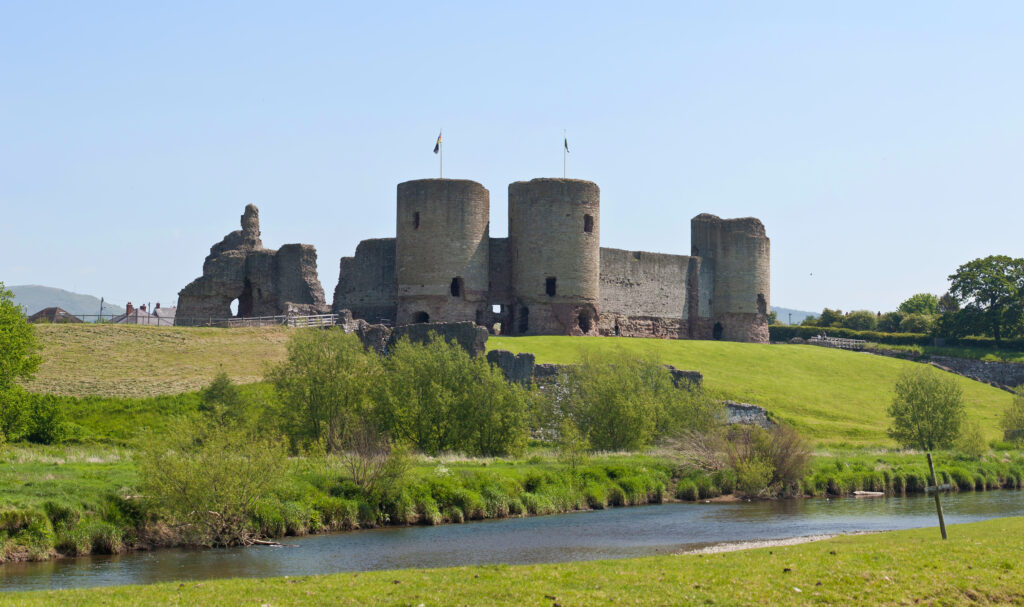
Our most prized building, our castle built by Edward I in 1282 which took over 4 years to complete. After the Castle was built, a royal charter was granted by Edward I to the people of Rhuddlan.
This charter, named the ‘Statue of Rhuddlan’, gave Wales judicial rights and independence. Part of the charter is inscribed on a tablet that is now in the wall of Parliament House – a house in the very centre of Rhuddlan.
In 1277 at the outbreak of the Welsh Wars, Edward 1 left Chester intending to win back the lands that had been given to the Welsh Princes, he proceeded along the coast building the first castle at Flint and then on to Rhuddlan where he built the castle we know today. It was considered to be an ideal spot as it enabled supplies to be brought in by river (Clwyd) if the land route was invaded. Ships could take advantage of the tides after he had dug out a new channel from the sea to enable boats to moor at the Castle docks (this took 3 years to complete) The castle was the home for King Edward and his Queen, Elinor and his 8th daughter was born at Rhuddlan Castle. The Castle remained in operation until 1647 when it was partially demolished by the Parliamentary forces to prevent it being used for further military purposes.
The Parish Church of St Mary is mentioned in the Domesday Book of 1086 and the church we now know was founded in 1301 on the riverbank. It wasn`t until medieval times that the second isle was built along with the west tower This is how the Church remained until more reconstruction in 1812 and 1868-1870. The Bodrhyddan mausoleum was added on the north side in 1820 Much of the medieval structure survives to this day, the churchyard contains a 17th Century sundial and chest tombs from the same century
As you walk down Church Street from the High Streeton your right you will see an Archway witch leads to a pathway known as the” Citch Catch” This dates back to the 1900s and allowed the residents of Gwindy Street easy access to a fresh water pump which is situated on the opposite wall.
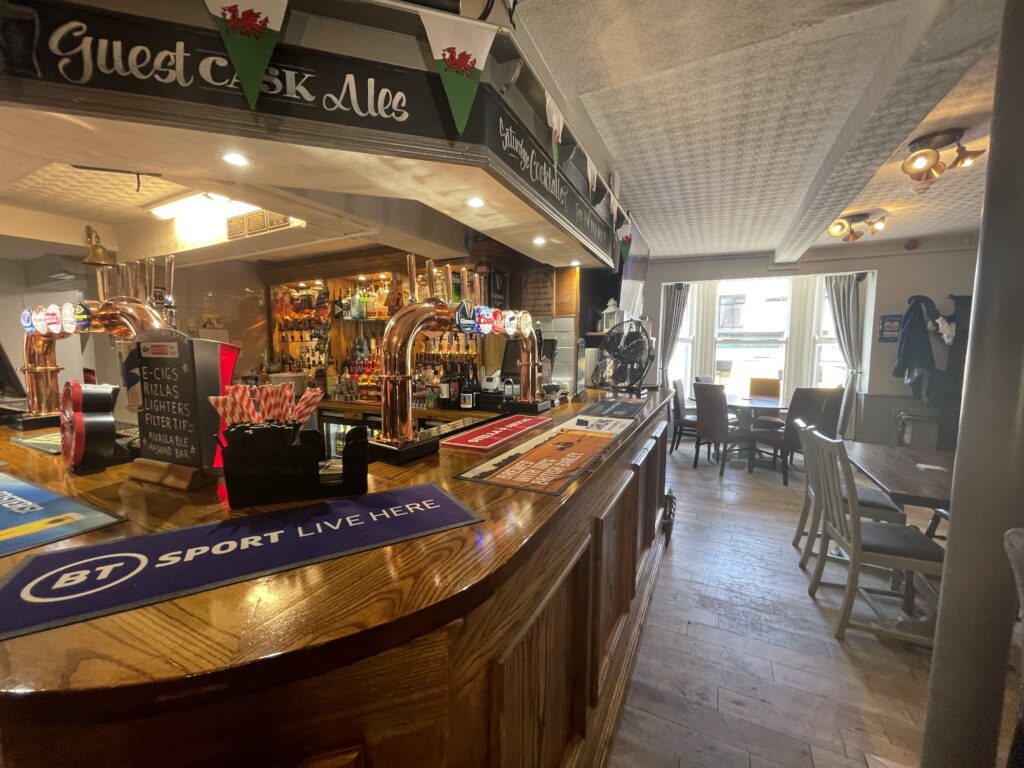
We have three old pubs in Rhuddlan namely The New Inn, The Kings Head and The Castle Inn which have served Rhuddlan for many years and continue to do so.
This listed building, built in 1672 is on Prices Road and has a fascinating history of which few stories can be verified. There is supposedly a underground tunnel which runs to the Castle and The property was extended in 17C and to this day is said to contain a number of original features.
There are many other listed buildings in Rhuddlan including Parliament House where Edward the 1 held the first Parliament of Wales in 1283 and farther up Parliament street. On the wall of the Community centre you will find the War Memorial which remembers the dead of 2 world Wars who are listed here. There was also a Dominican Friary where Abbey Farm stands today and in the wall of a barn there is an effigy of Anian de Schonan, a knight of the 13C built into it.
The grid pattern of Edward 1 town can still be traced in High Street, Castle Street, Cross Street, Parliament Street and Gwindy Street. The circuit ditch defences were built to defend the town and there still remains a fragment of these visible in the field at the northern edge. There is a display board in Gwindy Street with details.
There has been a bridge over the river since at least 1277and the elegant structure with the twin sandstone arches dates back to1595, the cast-iron section was added in the 19C and later the modern footbridge.