Twthill Castle – The Original Stronghold of Rhuddlan
Before the imposing stone walls of Rhuddlan Castle were ever built, a powerful and strategic site already stood nearby: Twthill Castle, the original Norman motte-and-bailey fortification.
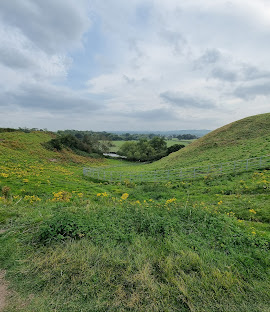
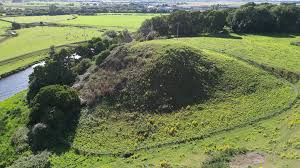
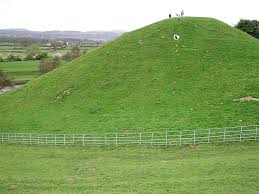
Situated just south of the later 13th-century Rhuddlan Castle, Twthill’s large earth mound still rises visibly from the landscape and can be accessed via a public footpath. From here, visitors enjoy views over the surrounding countryside and the River Clwyd.
Twthill’s origins trace back to 1063, when Rhuddlan was the royal seat of Gruffydd ap Llywelyn, a formidable Welsh prince who launched raids across the English border. However, his dominance was short-lived. That same year, he was driven back to Rhuddlan by Earl Harold — who would soon become King Harold of England and perish at the Battle of Hastings in 1066.
In the wake of the Norman conquest, William the Conqueror ordered the construction of a new fortification in Rhuddlan. By 1073, Robert of Rhuddlan, a Norman nobleman and ally of Hugh d’Avranches, Earl of Chester, had built the motte-and-bailey structure we now know as Twthill. Robert made Rhuddlan his base of operations as he extended Norman control across North Wales, with powers granted to him by the king.
Historical records show that by 1086, Rhuddlan had become a small but significant borough, complete with a church and a mint producing silver coins. The remains of Twthill’s bailey can still be traced in the fields around the mound, offering a glimpse into the early medieval layout of the town.
Twthill is open to the public year-round and provides a unique opportunity to walk in the footsteps of Welsh princes and Norman lords, with striking views and a real sense of the region’s rich past.